Campaign
What a Campaign Really Is and Why It Matters
A campaign is much more than a one-off promotion or a random burst of activity. At its core, a campaign is a structured, goal-driven effort designed to influence people over a specific period of time. Whether it’s marketing, political, social, or awareness-based, every campaign exists to move an audience from one mindset to another.
What separates a campaign from everyday communication is intention. Campaigns are planned with a clear objective, a defined audience, a message that resonates, and measurable outcomes. Without these elements, even the most creative idea turns into noise. A strong campaign, on the other hand, cuts through clutter and creates lasting impact.
In today’s world, campaigns are everywhere. Brands run marketing campaigns, governments run political campaigns, nonprofits run social campaigns, and even individuals run personal branding campaigns. Understanding how campaigns work is no longer optional—it’s a critical skill in modern communication.
The Evolution of Campaigns Over Time
Campaigns have existed for centuries, long before digital platforms and social media. Early campaigns relied on word of mouth, printed posters, speeches, and public gatherings. These methods were slower, but they often carried deep emotional weight and community involvement.
As mass media emerged, campaigns evolved rapidly. Newspapers, radio, and television allowed messages to reach millions at once. This era introduced the concept of brand positioning and emotional storytelling at scale. Campaigns became more polished, but also more competitive.
Today’s campaigns live in a digital-first world. Speed, personalization, and data-driven decisions define success. Campaigns now unfold across multiple platforms simultaneously, adapting in real time based on audience feedback. This evolution has made campaigns more powerful—and more complex—than ever before.
Types of Campaigns and Their Core Purposes
Not all campaigns serve the same purpose. Understanding campaign types helps clarify strategy and expectations.
Marketing campaigns aim to promote products, services, or brands. Their primary goals include awareness, engagement, and conversion. These campaigns rely heavily on creativity, consumer psychology, and performance metrics.
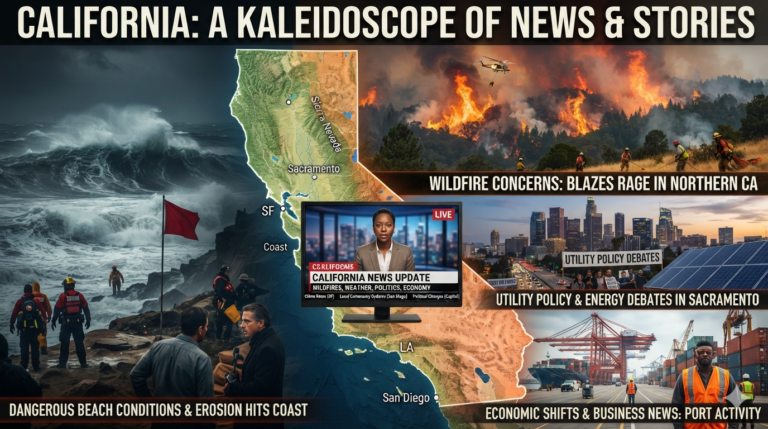
Political campaigns focus on persuasion and mobilization. They aim to influence public opinion, encourage participation, and secure votes. Social campaigns, on the other hand, seek behavioral change—raising awareness about issues like health, environment, or social justice. Each type requires a unique approach, but all rely on strategic messaging and execution.
Campaign Strategy: The Foundation of Every Successful Campaign
Every successful campaign starts with strategy. Without a solid strategy, even the most visually stunning campaign will struggle to deliver results.
Strategy begins with a clear objective. Is the goal to increase sales, change perceptions, drive traffic, or inspire action? Defining the objective shapes every decision that follows. Vague goals lead to vague outcomes.
Next comes audience understanding. Knowing who you’re speaking to—their needs, fears, habits, and motivations—is critical. A campaign that speaks to everyone usually connects with no one. Precision is what turns messaging into influence.
Campaign Messaging and Storytelling
At the heart of every campaign lies a message. This message isn’t just what you say—it’s how people feel when they encounter your campaign.
Effective campaign messaging is simple, consistent, and emotionally resonant. It avoids jargon and focuses on clarity. People remember how a message made them feel far more than the exact words used.
Storytelling amplifies messaging. Campaigns that tell stories—about people, problems, or possibilities—create emotional connections. Whether it’s a brand story or a social cause, storytelling turns passive viewers into engaged participants.
Digital Campaigns in the Modern World
Digital campaigns dominate modern communication because they combine reach, speed, and measurability. Unlike traditional campaigns, digital campaigns allow real-time optimization based on performance data.
Platforms like social media, search engines, email, and websites form the backbone of digital campaigns. Each channel plays a specific role, from discovery to conversion. Successful campaigns integrate these channels rather than treating them separately.
One of the biggest advantages of digital campaigns is adaptability. Messages can be adjusted mid-campaign, creatives can be tested, and audiences can be refined. This flexibility makes digital campaigns incredibly powerful when executed correctly.
Social Media Campaigns and Community Engagement
Social media campaigns focus on conversation rather than broadcasting. They succeed when audiences feel involved, heard, and valued.
Engagement is the key metric here. Likes, comments, shares, and saves indicate whether a campaign resonates. Viral success often comes from authenticity rather than high budgets.
Social campaigns also thrive on timing and relevance. Trends, cultural moments, and platform-specific behavior all influence performance. Brands that listen as much as they speak tend to build stronger communities through campaigns.
Political Campaigns and Public Influence
Political campaigns are among the most complex and high-stakes campaigns. They aim to shape public opinion, mobilize supporters, and influence decision-making.
These campaigns rely heavily on trust, credibility, and emotional appeal. Messaging must balance inspiration with policy clarity. A single misstep can have lasting consequences.
Modern political campaigns also leverage digital tools for targeted outreach. Data analytics, social media, and grassroots mobilization have transformed how political influence is built and sustained.
Campaign Planning and Execution Phases
Campaigns typically unfold in phases: planning, launch, execution, and evaluation. Each phase plays a critical role in overall success.
Planning involves research, goal-setting, budgeting, and creative development. This phase determines how smoothly the campaign will run. Poor planning often leads to wasted resources and inconsistent messaging.
Execution is where ideas come to life. Timing, coordination, and consistency matter here. After execution, evaluation ensures lessons are learned, successes are replicated, and weaknesses are addressed.
Measuring Campaign Success and Performance
A campaign without measurement is just a guess. Metrics provide clarity and accountability.
Key performance indicators vary depending on campaign type. Marketing campaigns track conversions, reach, and ROI. Awareness campaigns measure impressions, engagement, and sentiment.
Evaluation doesn’t just justify success—it informs future campaigns. Data-driven insights help refine strategy and improve effectiveness over time.
Creative Direction and Visual Identity in Campaigns
Visuals play a massive role in campaign effectiveness. Color, typography, imagery, and layout all influence perception.
A strong visual identity ensures consistency across platforms. When audiences recognize a campaign instantly, trust and familiarity grow.
Creativity should support the message, not overshadow it. The most successful campaigns balance originality with clarity, ensuring visuals enhance rather than confuse.
Campaign Challenges and Common Mistakes
Even well-funded campaigns can fail if key mistakes are made. Common issues include unclear objectives, poor audience targeting, and inconsistent messaging.
Another frequent challenge is overcomplication. Campaigns that try to say too much often dilute their impact. Simplicity is a strength, not a weakness.
Ignoring feedback is also risky. Campaigns must evolve based on audience response. Flexibility often determines whether a campaign survives or collapses.
Famous Campaigns That Changed the GamE
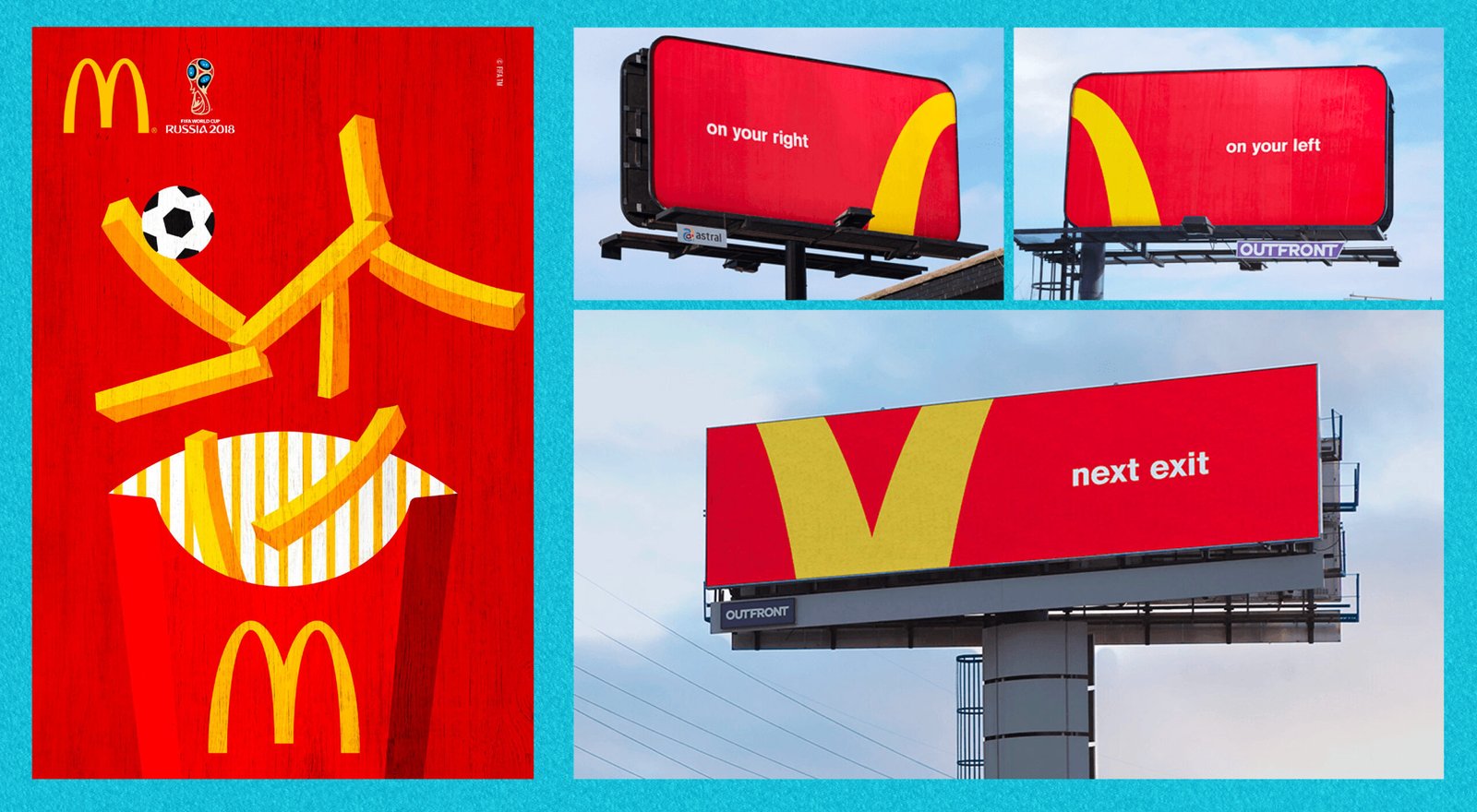
Some campaigns become cultural milestones. Brands like Nike have demonstrated how powerful storytelling and consistency can elevate campaigns beyond advertising.
These campaigns succeed because they tap into universal emotions—identity, aspiration, belonging. They don’t just sell products; they sell ideas.
Studying iconic campaigns provides valuable lessons in strategy, creativity, and execution that apply across industries.
The Future of Campaigns
The future of campaigns lies in personalization, technology, and authenticity. AI, data analytics, and immersive experiences will shape how campaigns are designed and delivered.
Audiences expect relevance and transparency. Campaigns that feel manipulative or disconnected will struggle. Trust will be the most valuable currency.
As platforms evolve, campaigns will become more interactive, participatory, and human-centered. The core principles, however, will remain the same: clarity, connection, and purpose.
Conclusion
In a world overflowing with content, campaigns provide structure and meaning. They turn messages into movements and ideas into action.
A well-executed campaign doesn’t just communicate—it influences behavior, builds relationships, and creates momentum. Whether for business, politics, or social change, campaigns remain one of the most powerful tools for shaping perception.
Understanding campaigns is no longer just for marketers or strategists. It’s a skill that empowers anyone who wants to be heard in a crowded world.
YOU MAY ALSO READ
About the Author