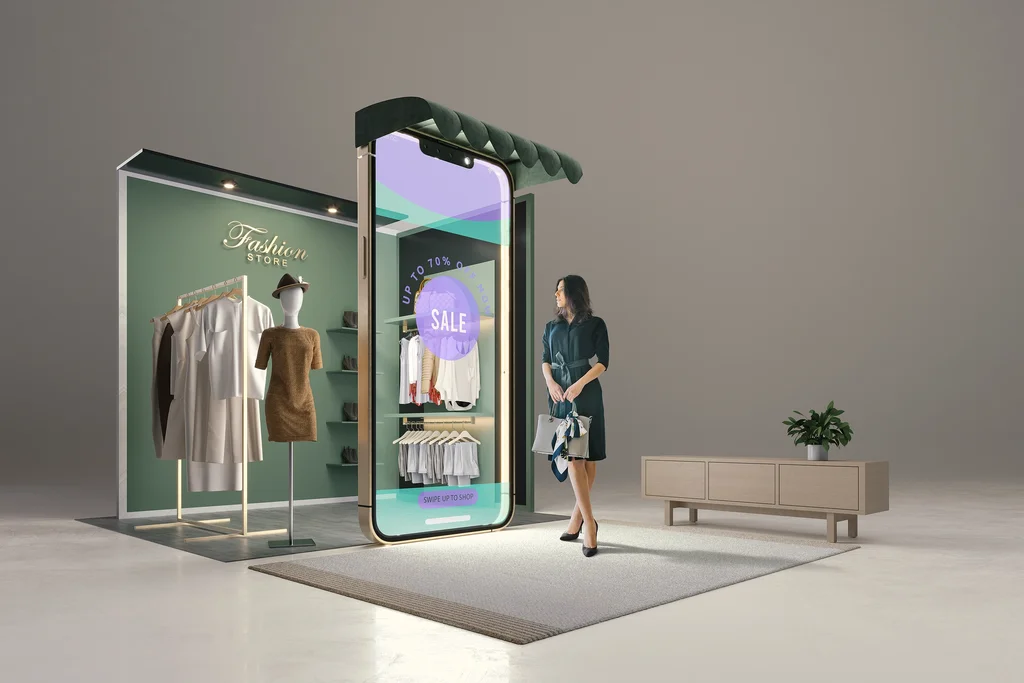
Virtual Shopping Experience
Understanding the Virtual Shopping Experience in Simple Terms
The virtual shopping experience is not just a fancy term for online shopping. It represents a complete shift in how consumers interact with products, brands, and retail environments in the digital world. Instead of scrolling through flat product listings, shoppers are now entering immersive, interactive spaces that closely mimic—or sometimes even improve upon—physical retail experiences.
At its core, a virtual shopping experience blends technology like 3D visualization, augmented reality (AR), virtual reality (VR), artificial intelligence, and real-time personalization. The goal is to make shopping online feel more intuitive, engaging, and trustworthy. Customers can explore virtual stores, try products digitally, interact with sales assistants, and make confident buying decisions without stepping into a physical shop.
What makes this evolution so powerful is that it solves many long-standing problems of traditional e-commerce. Issues like product uncertainty, lack of engagement, and emotional disconnect are being addressed through immersive design and smarter digital interactions. Virtual shopping isn’t replacing retail—it’s redefining it.
The Evolution From Traditional E-Commerce to Virtual Shopping
Online shopping began with basic product pages, static images, and simple checkout systems. While this model was revolutionary at the time, it lacked the sensory and emotional elements that make physical shopping enjoyable. Consumers could buy faster, but not necessarily better.
As internet speeds improved and mobile devices became mainstream, retailers started experimenting with richer visuals, videos, and interactive product galleries. This laid the groundwork for virtual shopping experiences by helping users feel more connected to products before purchase.
Today, the virtual shopping experience represents the next evolutionary leap. Instead of adapting physical retail to screens, brands are designing entirely new digital environments. These experiences combine convenience with exploration, turning shopping from a task into an experience—something customers actually enjoy spending time on.
Key Technologies Powering the Virtual Shopping Experience
Several advanced technologies work together to create a seamless virtual shopping experience. Each plays a specific role in making digital retail feel realistic, intuitive, and engaging.
3D modeling allows products to be viewed from every angle, giving customers a clearer understanding of size, texture, and design. This is especially useful for furniture, fashion, electronics, and luxury items where detail matters.
Augmented reality lets users “place” products in their real-world environment using their phone or tablet. Virtual reality takes things even further by placing shoppers inside fully immersive digital stores. Combined with AI-driven recommendations and real-time analytics, these technologies create shopping experiences that feel personal rather than generic.
Why Consumers Are Embracing Virtual Shopping Experiences
Modern consumers value convenience, but they also crave confidence. One of the biggest reasons people return items bought online is uncertainty—products don’t look or feel the way they expected. Virtual shopping experiences significantly reduce this gap.
By allowing customers to visualize products in realistic contexts, virtual shopping builds trust. Shoppers feel more informed and in control, which leads to higher satisfaction and fewer returns. This confidence is especially important in categories like fashion, home décor, and cosmetics.
There’s also an emotional component. Virtual shopping transforms retail into an interactive journey rather than a transactional process. When customers enjoy the experience, they’re more likely to stay longer, explore more products, and develop loyalty to the brand.
Virtual Stores and Digital Showrooms Explained
A virtual store is a digitally recreated retail space that customers can explore online. Unlike traditional websites, these stores feel spatial. Shoppers can move through aisles, browse shelves, and interact with products as if they were physically present.
Digital showrooms are particularly popular in industries like automotive, real estate, and luxury goods. Instead of visiting multiple locations, customers can explore high-end products from anywhere in the world, often with guided tours or interactive demonstrations.
These environments allow brands to control storytelling. Layout, lighting, music, and interaction points are all carefully designed to influence how customers perceive products and the brand itself. In many cases, virtual stores provide more flexibility and creativity than physical retail ever could.
The Role of Augmented Reality in Virtual Shopping
Augmented reality has become one of the most practical and widely adopted tools in virtual shopping experiences. It bridges the gap between digital and physical worlds by allowing customers to see products in their real environment.
For example, shoppers can see how a sofa fits in their living room, how glasses look on their face, or how makeup shades appear on their skin tone. This level of personalization was impossible in early e-commerce models.
AR also reduces hesitation. When customers can preview products accurately, they’re more confident in their purchase decisions. This not only improves user satisfaction but also significantly reduces return rates for retailers.
Virtual Shopping Experience in Fashion and Apparel
Fashion is one of the biggest beneficiaries of virtual shopping technology. Traditionally, clothing purchases online were risky due to sizing issues and fabric uncertainty. Virtual fitting rooms have changed that narrative.
With body-scanning technology and AI-based size recommendations, customers can see how clothes fit their specific body shape. Some platforms even simulate fabric movement, giving shoppers a sense of how garments behave in real life.
Beyond practicality, virtual fashion experiences allow brands to experiment creatively. Digital-only collections, virtual runways, and interactive lookbooks are redefining how fashion is marketed and consumed in the digital age.
Virtual Shopping in Home, Furniture, and Interior Design
Buying furniture online used to be a leap of faith. Measurements, colors, and proportions often looked different in real life. Virtual shopping experiences have dramatically improved this category.
3D visualization and AR allow customers to place furniture in their actual space, ensuring it fits both physically and aesthetically. Lighting simulations help shoppers see how materials look under different conditions.
This approach empowers consumers to design entire rooms virtually before making a single purchase. It transforms furniture shopping from guesswork into a confident, creative process.
The Social Side of Virtual Shopping Experiences
Shopping has always been a social activity, and virtual shopping is bringing that element back into digital retail. Many platforms now offer shared virtual spaces where friends can shop together in real time.
Live shopping events, virtual influencers, and interactive product launches create a sense of community. Customers can ask questions, get recommendations, and receive instant feedback—just like they would in a physical store.
This social layer increases engagement and builds stronger emotional connections between brands and consumers. It turns shopping into an event rather than a chore.
Personalization and AI in Virtual Shopping
Artificial intelligence plays a crucial role in making virtual shopping experiences feel personal. AI analyzes user behavior, preferences, and past purchases to deliver tailored recommendations.
Instead of generic product suggestions, shoppers see items that align with their style, budget, and needs. Virtual assistants and chatbots provide instant support, mimicking the role of in-store sales associates.
Over time, these systems learn and improve, creating experiences that feel increasingly intuitive. This level of personalization helps brands stand out in a crowded digital marketplace.
Business Benefits of Virtual Shopping Experiences
From a business perspective, virtual shopping experiences offer more than just novelty. They drive measurable results. Increased engagement leads to higher conversion rates and longer session times.
Virtual experiences also reduce operational costs. Brands can showcase large inventories without maintaining extensive physical spaces. Digital showrooms eliminate geographical limitations, allowing global reach with minimal overhead.
Perhaps most importantly, data insights from virtual environments help businesses understand customer behavior at a deeper level. Every interaction provides valuable information that can be used to refine products and marketing strategies.
Challenges and Limitations of Virtual Shopping
Despite its advantages, virtual shopping is not without challenges. High-quality virtual experiences require investment in technology, design, and infrastructure. Smaller businesses may find entry barriers intimidating.
There’s also the issue of accessibility. Not all consumers have devices capable of running advanced AR or VR applications smoothly. Ensuring inclusivity across different platforms remains a priority.
Finally, virtual shopping must balance innovation with usability. Overly complex experiences can overwhelm users. The best virtual shopping designs enhance convenience rather than complicate it.
Security, Privacy, and Trust in Virtual Shopping
As virtual shopping becomes more immersive, data collection increases. Personalization relies on user data, which raises concerns about privacy and security.
Brands must be transparent about how data is collected and used. Secure payment systems, encrypted interactions, and ethical AI practices are essential for maintaining trust.
When customers feel safe, they’re more willing to engage deeply with virtual shopping platforms. Trust remains the foundation of every successful digital retail experience.
The Role of Big Brands in Shaping Virtual Shopping
Major companies like Amazon and Meta have played a significant role in accelerating virtual shopping adoption. Their investments in AR, VR, and AI have set industry standards.
These brands act as testing grounds for new technologies, making innovations more accessible to smaller retailers over time. As adoption grows, virtual shopping tools become more affordable and scalable.
The influence of these companies ensures that virtual shopping is not a passing trend but a long-term shift in how commerce operates.
The Future of Virtual Shopping Experiences
The future of virtual shopping is deeply immersive, intelligent, and interconnected. As hardware improves and software becomes more intuitive, virtual experiences will feel increasingly natural.
We can expect more realistic avatars, seamless voice interaction, and AI-driven environments that adapt in real time. Shopping may soon feel less like browsing a website and more like stepping into a personalized digital world.
In the long run, the line between physical and virtual retail will blur. Consumers won’t think in terms of “online” or “offline” shopping—only in terms of the best experience.
Conclusion
The virtual shopping experience represents the evolution of commerce toward something more human, not less. It combines technology with emotion, efficiency with exploration, and convenience with confidence.
For consumers, it means better decisions, more enjoyment, and greater control. For businesses, it means stronger engagement, deeper insights, and global reach.
As digital lifestyles continue to expand, virtual shopping will become an essential part of everyday life. Brands that embrace this shift early will define the future of retail—while those that ignore it risk being left behind.
YOU MAY ALSO READ
About the Author