Black News Anchors
Introduction: Why Black News Anchors Matter More Than Ever
Black news anchors are far more than familiar faces reading headlines on television. They are trusted voices, cultural translators, investigators, and historians working in real time. Every night, millions of viewers rely on them not just for facts, but for context, clarity, and credibility—especially during moments of crisis, social change, and political tension. Their presence in newsrooms signals progress, but it also represents a long, often difficult journey through exclusion, resistance, and resilience.
For decades, American broadcast journalism was shaped almost entirely by white perspectives. Stories affecting Black communities were frequently ignored, oversimplified, or framed through stereotypes. When Black anchors finally began appearing on local and national broadcasts, they didn’t just read the news—they changed how the news was told. Their lived experiences added depth to reporting on civil rights, policing, education, healthcare, and politics in ways that had never existed before.
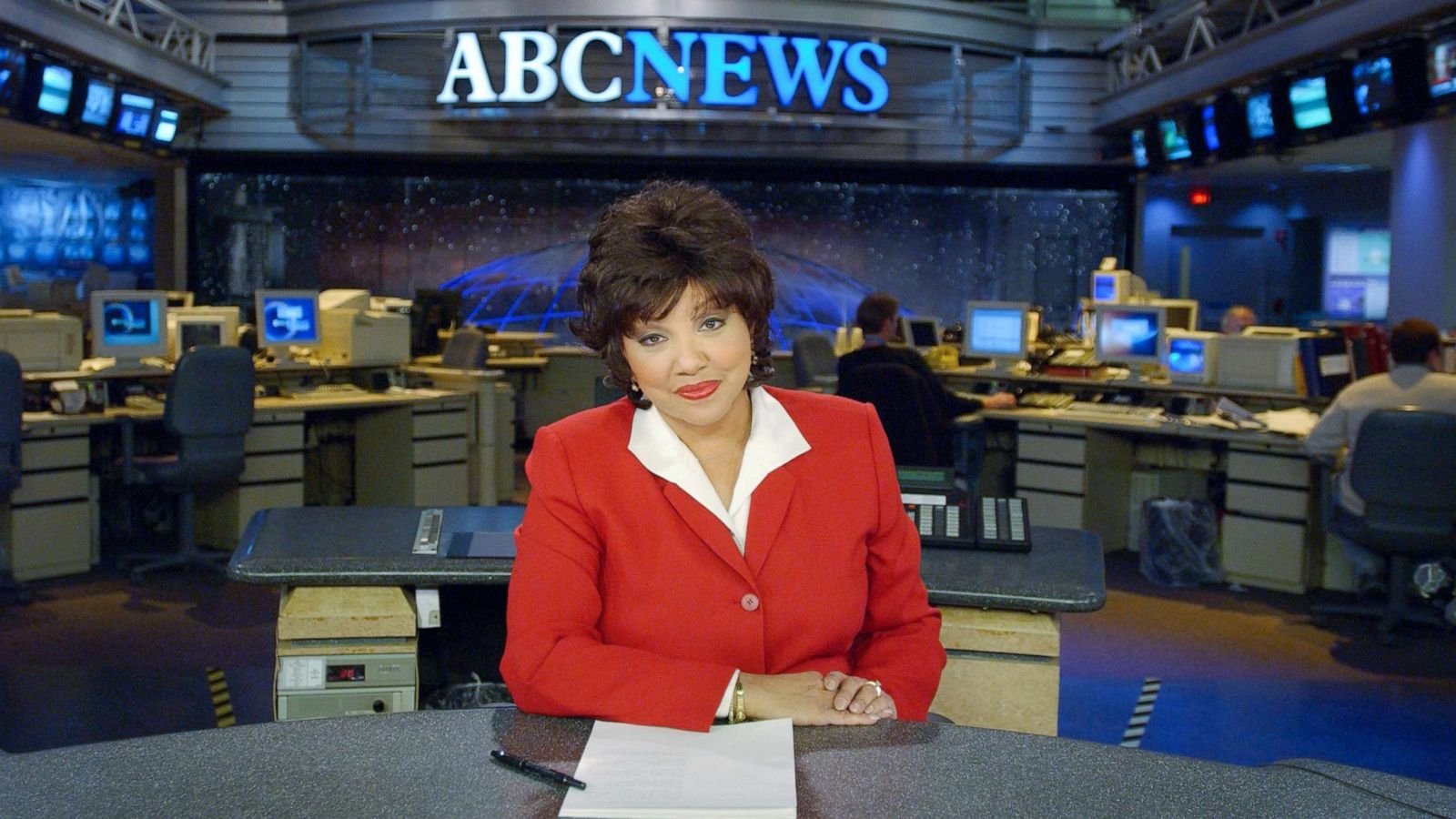
Today, Black news anchors are leaders in the industry. They anchor prime-time shows, moderate presidential debates, break global stories, and mentor the next generation of journalists. Yet the road to this point was anything but smooth. To understand their impact, we must first understand the barriers they faced and the systems they challenged.
Early Barriers: Breaking Into an Industry That Wasn’t Built for Them
The early days of American television news were defined by rigid gatekeeping. News directors, executives, and sponsors overwhelmingly believed that audiences would not “accept” Black faces delivering serious news. This belief wasn’t supported by evidence—it was rooted in racism, fear, and outdated assumptions about authority and trust.
In the 1950s and 1960s, Black journalists were often confined to roles behind the scenes or limited to covering “Black issues,” rather than general news. Even highly educated, well-spoken Black reporters were told they lacked the “neutral image” required for anchoring. Accents, hairstyles, skin tone, and even names were scrutinized in ways white anchors never experienced.
Many early Black journalists had to work twice as hard for half the recognition. They were expected to be flawless on air because any mistake would be seen as confirmation that Black anchors didn’t belong. This pressure created a narrow margin for error and an unspoken rule: survive quietly or be replaced quickly.
Despite these obstacles, Black journalists persisted. They earned degrees from top universities, trained rigorously, and proved—over and over again—that professionalism has nothing to do with race. Their determination slowly cracked open doors that had been firmly shut for generations.
The Civil Rights Era and the First Breakthroughs
The Civil Rights Movement played a critical role in reshaping American media. As protests, boycotts, and landmark legislation dominated headlines, it became impossible for networks to ignore Black voices entirely. Audiences demanded coverage that felt authentic, informed, and grounded in reality—not filtered through distant observers.
During this era, the first Black news anchors began appearing on local television stations. While these roles were often limited at first, they represented a turning point. For Black viewers, seeing someone who looked like them delivering the news was powerful. For white audiences, it quietly challenged long-held biases about who could be seen as authoritative.
One of the most significant early figures was Max Robinson, who became the first Black anchor of a nightly network newscast in the United States. His presence on national television was groundbreaking—not just because of who he was, but because of how professionally and confidently he delivered the news. Robinson proved that excellence could not be denied forever.
These early breakthroughs didn’t eliminate discrimination, but they changed the conversation. Newsrooms could no longer claim that Black anchors were unqualified or unappealing to audiences. The evidence was on screen every night.
Representation and Trust: Why Viewers Connect Differently
Trust is the most valuable currency in journalism. Viewers must believe that an anchor is telling the truth, asking the right questions, and holding power accountable. Black news anchors have often built exceptionally strong trust with diverse audiences because they bring both professional training and lived experience to the desk.
When reporting on issues like racial injustice, police violence, voting rights, or economic inequality, Black anchors often understand the stakes on a deeply personal level. This doesn’t make them biased—it makes them informed. Their questions are sharper, their context richer, and their interviews more grounded in reality.
Research has consistently shown that diverse newsrooms produce more accurate and nuanced reporting. Black anchors help identify blind spots, challenge assumptions, and push back against narratives that oversimplify complex social issues. In doing so, they improve journalism for everyone—not just Black viewers.
Importantly, representation also affects younger audiences. Seeing Black news anchors in positions of authority helps normalize leadership, intelligence, and credibility. It sends a clear message: these spaces belong to you too.
Black Women in News: Navigating Double Standards
Black women news anchors have faced some of the most intense scrutiny in broadcast journalism. In addition to racial bias, they have had to navigate gender stereotypes, appearance policing, and unequal expectations around tone and demeanor.
For years, Black women were criticized for wearing natural hair, braids, or locs on air. Their voices were labeled “too strong” or “too emotional,” while similar traits were praised in their white counterparts. Despite these pressures, Black women continued to rise—often redefining professionalism along the way.
Trailblazers like Oprah Winfrey began in traditional news roles before transforming media entirely. Others chose to remain in journalism, becoming respected anchors and correspondents who balanced warmth, authority, and fearlessness.
Today, Black women anchors lead major programs, cover international news, and conduct interviews that shape national conversations. Their success is not accidental—it is the result of persistence, talent, and a refusal to conform to narrow definitions of professionalism.
From Local Newsrooms to National Desks
Many of the most prominent Black news anchors started in local markets. Local news has long been a proving ground where journalists learn to report under pressure, connect with communities, and handle breaking stories in real time.
For Black anchors, local news also provided an opportunity to build trust directly with viewers. Covering school boards, city councils, crime, and weather might not seem glamorous, but it created a strong foundation of credibility. Viewers got to know these anchors as reliable presences in their daily lives.
As networks began looking for talent that could resonate nationally, they increasingly turned to anchors who had already proven themselves locally. This pipeline helped elevate Black journalists into national roles—not as tokens, but as experienced professionals ready for the spotlight.
Changing the Sound and Style of the News
Black news anchors have also influenced how news sounds and feels. Without abandoning journalistic standards, many brought a more conversational tone, clearer explanations, and a stronger focus on storytelling. This made broadcasts more accessible to wider audiences.
Rather than relying solely on rigid scripts, Black anchors often emphasized clarity over complexity. They explained why stories mattered, not just what happened. This approach resonated with viewers who felt disconnected from traditional, overly formal news delivery.
Over time, these stylistic changes spread across the industry. What was once criticized as “different” is now considered effective communication. In this way, Black anchors didn’t just adapt to journalism—they helped modernize it.
Conclusion
Today, Black news anchors are integral to broadcast journalism. Figures like Lester Holt and Gayle King anchor some of the most-watched programs in the country. Their credibility is unquestioned, their interviews influential, and their leadership undeniable.
Yet challenges remain. Representation at executive levels is still limited, and Black journalists often face disproportionate backlash online. Progress is real, but it is not complete.Black News Anchors: Voices That Shaped Journalism, Culture, and Trust.
YOU MAY ALSO READ
About the Author