Real Madrid
Introduction to Real Madrid
Real Madrid is not just a football club; it is a global institution that has shaped the history, culture, and future of the sport. From packed streets in Madrid to distant corners of Asia, Africa, and the Americas, the name Real Madrid carries a sense of prestige, dominance, and tradition that few teams can rival. When people talk about football royalty, they are usually talking about Real Madrid.
What makes Real Madrid so fascinating is not only the trophies or the star players but the philosophy behind the club. It represents ambition without apology. The club does not exist to merely participate; it exists to win. This mindset has been passed down through generations of players, managers, and supporters, creating a powerful identity that remains strong regardless of era.
In this in-depth guide, we will explore Real Madrid from every angle—its origins, legendary players, iconic stadium, fierce rivalries, tactical evolution, financial power, youth development, global fanbase, and modern-day dominance. Written in a casual yet expert tone, this article is designed to give you a full understanding of why Real Madrid stands alone at the top of world football.
The Origins and Early History of Real Madrid
Real Madrid was officially founded in 1902, during a time when football was still finding its identity in Spain. The club began as Madrid Football Club, formed by a group of football enthusiasts who wanted to bring structure and competitiveness to the game. Even in those early years, ambition was baked into the club’s DNA.
The name “Real,” meaning “Royal,” was granted by King Alfonso XIII in 1920. This royal endorsement added prestige and elevated the club’s image nationally and internationally. With the crown added to the crest, Real Madrid became more than a local team—it became a symbol of Spanish excellence.
During the early decades, Real Madrid established itself as a dominant force in domestic competitions. The club’s success was not accidental; it was built on strong organization, early professionalism, and a relentless desire to outperform rivals. These foundations would later support one of the greatest dynasties football has ever seen.
The Santiago Bernabéu Stadium: A Sacred Football Temple
The Santiago Bernabéu Stadium is one of the most iconic football venues in the world. Located in the heart of Madrid, it is more than just a stadium—it is a living museum of football history. Every seat, tunnel, and stand carries echoes of legendary goals, dramatic comebacks, and unforgettable nights.
Originally opened in 1947, the stadium has undergone multiple renovations to keep up with modern football standards. Today, it is a state-of-the-art arena with advanced technology, luxury seating, and a retractable roof, while still preserving its intimidating atmosphere. Opposing teams often describe playing at the Bernabéu as mentally overwhelming.
For Real Madrid fans, the stadium is sacred ground. It is where belief never dies, where late goals feel inevitable, and where the phrase “90 minutes at the Bernabéu are very long” was born. The stadium perfectly reflects the club’s identity—grand, demanding, and relentless.
Real Madrid’s Philosophy: Winning Is Not Optional
At Real Madrid, winning is not a goal; it is an expectation. This philosophy separates the club from most others in world football. While many teams celebrate progress or improvement, Real Madrid measures success almost exclusively in trophies.
This mindset influences every decision the club makes, from player recruitment to managerial appointments. Big names are not signed for marketing alone; they are expected to perform under extreme pressure. Players who cannot handle the weight of the badge rarely last long, regardless of talent.
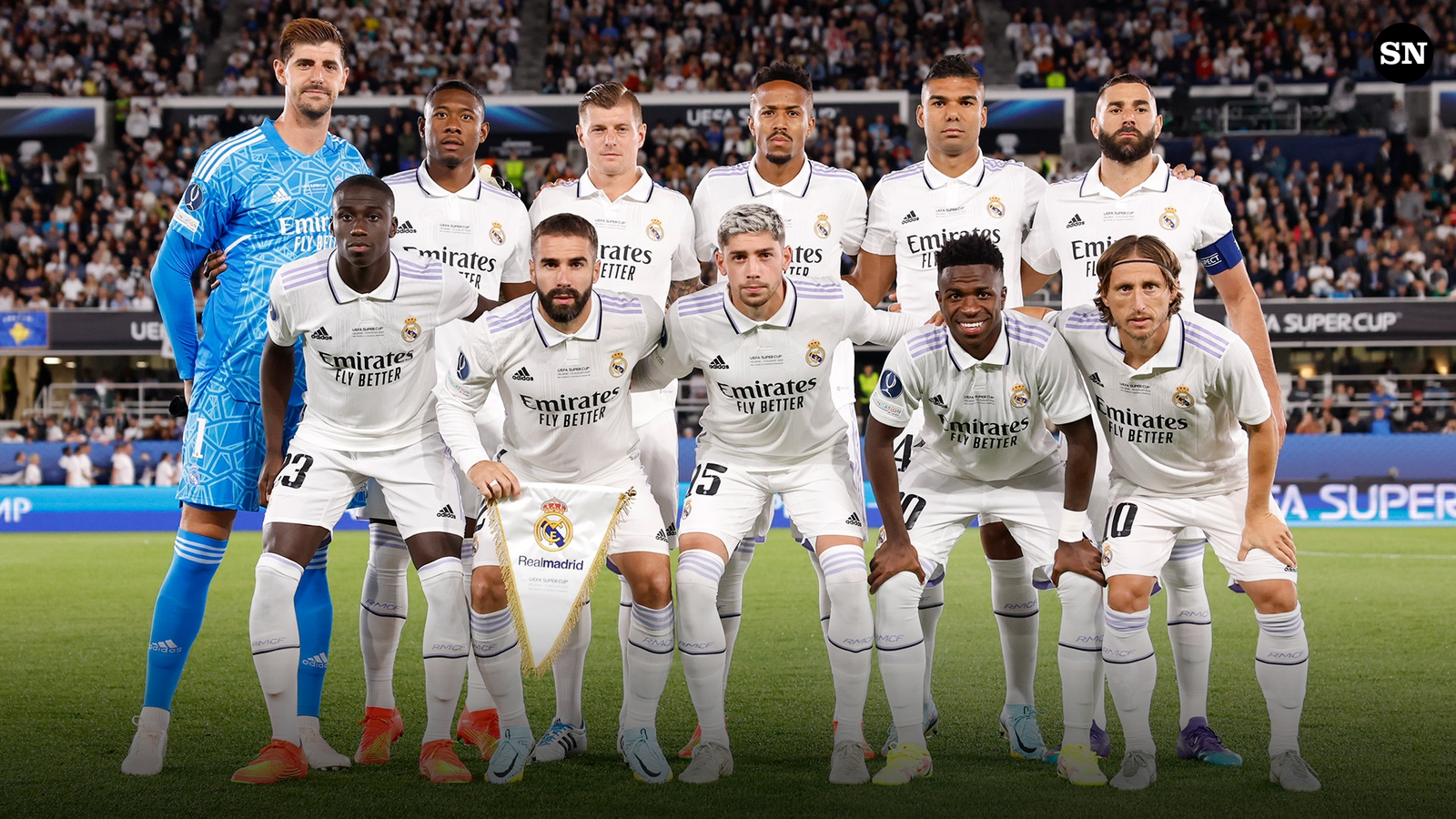
The famous white jersey symbolizes purity, excellence, and responsibility. Wearing it means representing a history filled with legends and triumphs. At Real Madrid, the past is not a burden—it is a standard that must be met every season.
Legendary Players Who Defined Real Madrid
Real Madrid’s history is filled with players who transcended football and became global icons. These legends did more than score goals or win matches; they defined eras and shaped the club’s identity.
Players like Alfredo Di Stéfano transformed Real Madrid into a European powerhouse during the 1950s. His intelligence, versatility, and leadership set the tone for the club’s golden era. Later generations saw icons such as Raúl, whose loyalty and consistency made him the face of Real Madrid for over a decade.
In modern times, superstars continued the tradition of greatness. Cristiano Ronaldo redefined goal-scoring standards and became the club’s all-time top scorer. Each legend added a chapter to Real Madrid’s story, reinforcing the idea that greatness is not occasional—it is continuous.
The Galácticos Era: Star Power Meets Expectation
The Galácticos era was one of the most fascinating chapters in Real Madrid’s history. Beginning in the early 2000s, the club adopted a strategy of signing the world’s biggest stars, combining football excellence with global marketing appeal.
Players like Zinedine Zidane, Luís Figo, Ronaldo Nazário, and David Beckham turned Real Madrid into a global spectacle. Matches were watched by millions, and the club’s brand reached new heights. The Galácticos were not just footballers; they were global celebrities.
While this era delivered unforgettable moments and some major trophies, it also highlighted the challenges of balancing star power with team chemistry. Still, the Galácticos philosophy reinforced Real Madrid’s identity as football’s ultimate destination for elite talent.
Real Madrid in European Competitions
No club in football history is more closely associated with European success than Real Madrid. The club’s relationship with continental competitions is almost mythical, especially in the UEFA Champions League.
Real Madrid dominated the early years of European football, winning the first five European Cups. This early success established the club as Europe’s standard-bearer and set a record that remains unmatched. Even decades later, the club continued to thrive on the biggest stage.
What truly defines Real Madrid in Europe is its mentality. The team has an uncanny ability to perform under pressure, especially in knockout matches. Comebacks, late goals, and dramatic victories are not exceptions—they are part of the club’s identity.
Domestic Dominance and La Liga Legacy
While European glory often steals the spotlight, Real Madrid’s domestic achievements are equally impressive. Competing in one of the world’s most competitive leagues, the club has consistently challenged for the La Liga title.
The rivalry with Barcelona has elevated Spanish football to global prominence. Every league season carries extra intensity because of this competition, pushing Real Madrid to maintain high standards year after year.
Winning domestically requires consistency, adaptability, and depth. Real Madrid’s ability to balance domestic and European ambitions speaks to the strength of its squad and the professionalism embedded within the club.
El Clásico: Football’s Greatest Rivalry
El Clásico is more than a football match; it is a global event. When Real Madrid faces Barcelona, the world stops to watch. The rivalry is fueled by history, politics, culture, and decades of unforgettable matches.
For Real Madrid, El Clásico represents the ultimate test. Victories are celebrated intensely, while defeats are deeply analyzed. Players who perform well in these matches earn instant respect from fans and critics alike.
This rivalry has produced some of football’s greatest moments, legendary goals, and iconic performances. It is a fixture that defines careers and shapes seasons.
Tactical Evolution and Managerial Influence
Real Madrid has never been tied to a single tactical identity. Instead, the club adapts to the strengths of its players and the vision of its managers. This flexibility has been key to its long-term success.
From possession-based football to counter-attacking dominance, Real Madrid has mastered multiple styles. Managers are given resources, but they are also held to incredibly high standards. Success is expected immediately.
This balance between freedom and pressure creates an environment where only elite managers thrive. Those who succeed earn legendary status within the club.
Youth Development and the Next Generation
While Real Madrid is famous for signing stars, youth development plays a crucial role in the club’s long-term strategy. The academy has produced players who understand the club’s philosophy from a young age.
Young talents are trained not only in technical skills but also in mental toughness. Representing Real Madrid requires confidence, discipline, and resilience—qualities that are instilled early.
These players often provide depth, energy, and loyalty, complementing the club’s marquee signings and ensuring continuity across generations.
Financial Power and Global Brand Influence
Real Madrid is one of the most financially powerful sports organizations in the world. Its revenue streams include broadcasting rights, sponsorships, merchandise, and global fan engagement.
The club’s brand extends far beyond football. Real Madrid represents excellence, ambition, and success, making it attractive to sponsors and partners worldwide. This financial strength allows the club to compete for top talent consistently.
However, financial power is carefully managed. Investments are made strategically, ensuring long-term sustainability without compromising competitiveness.
The Global Fanbase and Cultural Impact
Real Madrid’s fanbase spans continents, cultures, and generations. Supporters identify with the club’s winning mentality and rich history, creating a sense of belonging that transcends geography.
From packed stadiums to online communities, Real Madrid fans are deeply engaged. The club’s matches become shared experiences, connecting millions of people through a common passion.
This cultural impact makes Real Madrid more than a sports team—it becomes part of people’s identities and daily lives.
Real Madrid in the Modern Football Era
In today’s fast-evolving football landscape, Real Madrid continues to adapt while staying true to its core values. Advanced analytics, sports science, and tactical innovation coexist with tradition and experience.
The club balances youth and experience, ensuring competitiveness now and in the future. This strategic planning keeps Real Madrid relevant at the highest level year after year.
Despite changes in football economics and competition, Real Madrid remains a benchmark for excellence.
The Mentality That Separates Real Madrid
Perhaps the most defining trait of Real Madrid is its mentality. Players speak often about the unique pressure and motivation that comes with wearing the white jersey.
This mentality creates belief in impossible situations. When others doubt, Real Madrid believes. This psychological edge has been the difference in countless matches and tournaments.
It is not something that can be bought or trained easily—it is inherited through history, culture, and expectation.
Why Real Madrid Continues to Dominate World Football
Real Madrid’s continued dominance is not accidental. It is the result of a clear vision, relentless ambition, and an unwavering commitment to excellence.
The club respects its past while embracing the future. Legends are honored, but new heroes are always emerging. This balance ensures that Real Madrid never stands still.
As football continues to evolve, Real Madrid remains its ultimate standard—measured not only by trophies but by influence, mentality, and legacy.
Final Thoughts on Real Madrid’s Legacy
Real Madrid is more than the most successful football club in history; it is a symbol of what relentless ambition can achieve. From humble beginnings to global dominance, the club’s journey is a story of vision, discipline, and belief.
Every era brings new challenges, but Real Madrid’s identity remains unchanged. The club exists to win, to inspire, and to set standards others chase.
For fans, players, and football lovers worldwide, Real Madrid is not just a team—it is the very definition of greatness.
YOU MAY ALSO READ
About the Author