Wrong Planet
Introduction: What “Wrong Planet” Really Means
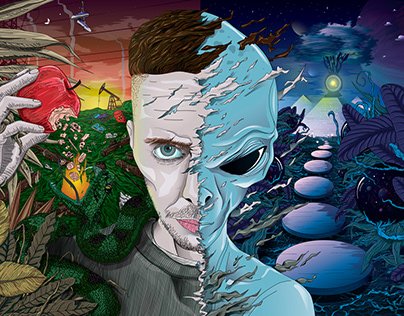
The phrase wrong planet sounds dramatic at first, almost like something pulled straight out of a sci-fi novel. But in reality, it’s a feeling many people quietly carry through their everyday lives. It’s that persistent sense that you don’t quite fit in, no matter where you go or who you’re with. You follow the rules, do what’s expected, and try to adapt, yet something always feels off. Like you were dropped into a world that runs on a different operating system than yours.
This idea of being on the wrong planet isn’t about literally believing you’re an alien, although some people jokingly say that. It’s about a deeper emotional and psychological disconnect. You might feel misunderstood, out of sync with social norms, or exhausted by systems that others seem to navigate effortlessly. While everyone feels out of place at times, people who strongly identify with the “wrong planet” concept experience it as a recurring theme in their lives.
In this article, we’ll explore the wrong planet feeling from every angle. We’ll look at where it comes from, why it’s becoming more common, how it shows up in daily life, and what you can actually do about it. The tone is casual, but the insights are grounded and thoughtful, so by the end, you’ll have both understanding and practical perspective.
The Emotional Core of Feeling on the Wrong Planet
At its heart, the wrong planet feeling is emotional. It’s not about logic or intelligence; it’s about how you experience the world. People who feel this way often describe a low-level sadness or frustration that never fully disappears. It’s not always intense, but it’s constant enough to shape how they see life.
One common emotion tied to this feeling is alienation. You might be in a room full of people and still feel completely alone. Conversations feel shallow, interests don’t line up, and humor misses the mark. Over time, this can create the impression that everyone else received a handbook on how to be human, and somehow you missed it.
Another core emotion is exhaustion. Constantly adapting, masking your true thoughts, or pretending to care about things that don’t resonate with you is tiring. Many people on the “wrong planet” describe social life as work rather than enjoyment. Even after a normal interaction, they may feel drained instead of energized.
Social Norms and the Pressure to Conform
Modern society runs on unspoken rules. How you should talk, dress, react, celebrate success, and even grieve loss is often subtly dictated. For people who feel like they’re on the wrong planet, these norms don’t feel natural. They feel forced, arbitrary, or even pointless.
The pressure to conform can be especially heavy in workplaces and educational systems. If you don’t think the “right” way, speak up at the “right” time, or show enthusiasm for the “right” goals, you may be labeled difficult, lazy, or antisocial. Over time, this feedback can make you doubt yourself, even when your instincts are perfectly valid.
What makes this harder is that conformity is often rewarded. Those who blend in easily move forward faster, while those who question or operate differently are left behind. This reinforces the feeling that the world wasn’t designed with you in mind, adding another layer to the wrong planet experience.
The Role of Personality and Temperament
Not everyone experiences the world the same way, and personality plays a huge role here. Introverted, highly sensitive, or deeply reflective individuals are more likely to feel out of place in fast-paced, loud, and productivity-driven environments. When society values speed over depth, people who prefer reflection can feel invisible.
Temperament also affects how strongly you react to stimuli. Bright lights, noise, conflict, or emotional tension may feel overwhelming to some people while barely registering for others. Living in a world that rarely slows down can feel like sensory overload, making everyday life feel like a constant battle.
This doesn’t mean something is wrong with your personality. In fact, many traits associated with the wrong planet feeling, like empathy, creativity, and critical thinking, are strengths. The problem isn’t who you are; it’s the mismatch between your inner world and the external environment.
Technology, Modern Life, and Disconnection
Ironically, we live in the most connected era in human history, yet feelings of disconnection are everywhere. Social media, instant messaging, and endless content streams promise connection but often deliver comparison and isolation instead. For someone already feeling like they’re on the wrong planet, this digital layer can make things worse.
Online spaces tend to reward extremes. Loud opinions, simplified narratives, and constant self-promotion get the most attention. If you prefer nuance, quiet reflection, or depth, it can feel like shouting into the void. Over time, this reinforces the idea that your way of thinking doesn’t belong.
Modern life also moves fast. Productivity culture glorifies busyness, while rest and introspection are treated as weaknesses. For people who need time to process, this pace can feel unnatural and even harmful. It’s no surprise that many people conclude the problem isn’t them, but the planet they’re living on.
Feeling Different vs. Being Different
There’s an important distinction between feeling different and being different. Many people who identify with the wrong planet idea assume they’re fundamentally unlike everyone else. In reality, countless others feel the same way but don’t talk about it openly.
The sense of uniqueness can be both comforting and isolating. On one hand, it helps you make sense of your experiences. On the other, it can prevent connection by convincing you that no one could truly understand you. This belief often becomes a self-fulfilling prophecy.
When people start sharing their experiences, something interesting happens. Patterns emerge. Similar frustrations, similar questions, similar longings. Realizing that the wrong planet feeling is shared doesn’t make it disappear, but it does reduce the loneliness that comes with it.
Creativity and the Wrong Planet Experience
There’s a strong link between creativity and feeling out of place. Artists, writers, musicians, and thinkers often see the world differently. They notice details others miss, question assumptions, and imagine alternatives. While this perspective fuels creativity, it can also create distance from mainstream culture.
Creative people often struggle with systems designed for efficiency rather than expression. Standardized education, rigid job roles, and metrics-driven success can feel suffocating. When your inner world is rich and complex, reducing yourself to numbers and outputs feels wrong.
At the same time, creativity offers an outlet. Art, writing, and music allow you to process the wrong planet feeling without needing to explain it in words. Many people find that creating something meaningful helps them feel less alone, even if the world still feels mismatched.
Mental Health and the Sense of Not Belonging
While the wrong planet feeling isn’t a diagnosis, it often overlaps with mental health challenges. Anxiety, depression, and burnout can all intensify feelings of alienation. When your mind is already under strain, the world can feel harsher and less welcoming.
It’s important to approach this topic with care. Feeling like you’re on the wrong planet doesn’t automatically mean something is clinically wrong, but it does signal that your needs aren’t being met. Ignoring that signal can lead to deeper struggles over time.
Support, whether through therapy, community, or trusted relationships, can make a huge difference. Talking openly about these feelings helps separate what’s situational from what’s internal. It also reminds you that struggling doesn’t make you weak; it makes you human.
Cultural and Generational Influences
Culture shapes how belonging is defined. In some societies, conformity and tradition are emphasized, while individuality is discouraged. In others, individuality is celebrated, but only within certain limits. If you don’t fit those cultural expectations, the wrong planet feeling can be intense.
Generational factors matter too. Many younger people report feeling disconnected from systems built for previous generations. Economic instability, environmental concerns, and rapid technological change create a sense that the world no longer makes sense, even to those living in it.
This generational mismatch can amplify the wrong planet experience. It’s not just about personal difference anymore; it’s about living in a world whose priorities feel misaligned with your values. That realization can be unsettling but also clarifying.
Relationships and the Search for Understanding
Relationships are often where the wrong planet feeling becomes most noticeable. You may crave deep conversations while others prefer small talk. You may value honesty over politeness, depth over convenience. When these preferences clash, frustration builds.
Many people respond by withdrawing. If connection feels too hard, avoidance can seem safer. But isolation tends to reinforce the belief that you don’t belong anywhere. Breaking this cycle requires patience and realistic expectations.
Finding even one or two people who truly understand you can change everything. You don’t need universal acceptance; you need resonance. When someone gets you, even partially, the planet starts to feel a little less wrong.
Work, Purpose, and Feeling Misplaced
Work is a major source of identity, so when it doesn’t align with your values, the wrong planet feeling intensifies. Many jobs prioritize profit, speed, and hierarchy over meaning and well-being. If you care deeply about purpose, this can feel empty.
People who feel on the wrong planet often struggle with motivation in environments that don’t reflect their values. This isn’t laziness; it’s a lack of alignment. When your efforts feel disconnected from anything meaningful, enthusiasm naturally fades.
Finding or creating work that aligns with who you are can be transformative. It doesn’t have to be perfect, but even partial alignment reduces the sense of being out of place. Purpose acts like gravity, helping you feel grounded in a world that otherwise feels foreign.
Is the World Actually the Problem?
It’s tempting to conclude that the world itself is broken, and in some ways, that’s not entirely wrong. Systems designed for efficiency often neglect human needs. Constant comparison, competition, and consumption take a toll on mental and emotional health.
However, viewing the world solely as the problem can lead to helplessness. If the planet is wrong and unchangeable, where does that leave you? The more useful question is how much control you actually have within this imperfect system.
You may not be able to redesign society, but you can shape your immediate environment. Choosing who you spend time with, what you consume, and how you define success can dramatically change how the world feels.
Reframing the “Wrong Planet” Narrative
One powerful shift is reframing the wrong planet idea. Instead of seeing it as a flaw or curse, you can view it as a signal. It’s your inner compass telling you something important about what you need and value.
Rather than asking, “What’s wrong with me?” try asking, “What kind of environment helps me thrive?” This shift moves the focus from self-criticism to self-understanding. It opens the door to intentional change.
When you stop fighting who you are, the world doesn’t suddenly become perfect, but it becomes more manageable. You start building a life that fits you, rather than forcing yourself into spaces that don’t.
Building a Personal “Right Planet”
You may not be able to move to another planet, but you can build a personal version of one. This means creating routines, relationships, and spaces that reflect your values and needs. It’s about designing a life that feels livable.
Start small. Protect your energy. Choose depth over breadth. Say no more often. Seek out communities, online or offline, where people think and feel similarly. These choices add up over time.
Your right planet doesn’t have to look impressive from the outside. It just has to feel honest on the inside. That sense of alignment is often what people are really searching for when they say they’re on the wrong planet.
The Role of Acceptance and Growth
Acceptance doesn’t mean giving up. It means acknowledging reality without constant resistance. Accepting that you feel different allows you to work with that difference instead of against it.
Growth comes from understanding yourself better, not from forcing change to fit external expectations. When you accept your nature, you can develop skills and strategies that support it. This might include setting boundaries, changing environments, or redefining success.
Over time, acceptance reduces internal conflict. You stop fighting yourself and start collaborating with who you are. That alone can make the planet feel less hostile.
When the Feeling Comes Back
Even with all this awareness, the wrong planet feeling may still return. Life changes, stress increases, and old patterns resurface. This doesn’t mean you’ve failed or gone backward.
Think of it as a reminder to check in with yourself. Are your needs being met? Are you overstretched? Have you drifted away from what matters to you? These questions help you recalibrate.
The goal isn’t to eliminate the feeling forever. It’s to recognize it quickly and respond with care rather than self-judgment.
Finding Meaning in Difference
Difference often carries meaning. Many people who feel out of place contribute unique perspectives that challenge stagnant systems. They ask uncomfortable questions, imagine alternatives, and push humanity forward.
History shows that progress often comes from those who didn’t quite fit in. While that doesn’t make the experience easy, it does make it meaningful. Your discomfort may be tied to your ability to see what others overlook.
Embracing this perspective doesn’t erase the struggle, but it adds context. It reminds you that being different isn’t pointless; it’s part of how change happens.
Practical Steps to Feel Less Out of Place
Practical change matters. While reflection is important, action turns insight into relief. Start by identifying environments that drain you and those that energize you. Make adjustments where possible.
Limit exposure to spaces that reinforce comparison and negativity. Curate your digital environment. Seek depth in conversations, even if it means fewer interactions. Quality matters more than quantity.
Finally, give yourself permission to live differently. You don’t owe the world conformity. You owe yourself honesty.
Conclusion: Maybe It’s Not the Wrong Planet After All
The feeling of being on the wrong planet is deeply human. It reflects sensitivity, awareness, and a desire for meaning in a world that often feels rushed and shallow. While the feeling can be painful, it also carries valuable information about who you are and what you need.
You may never feel perfectly at home everywhere, and that’s okay. Belonging doesn’t come from fitting into every space; it comes from creating and finding the spaces where you can be yourself.
In the end, maybe it’s not that you’re on the wrong planet. Maybe you’re just here to help shape it into something better, starting with your own small corner of it.
YOU MAY ALSO READ
About the Author