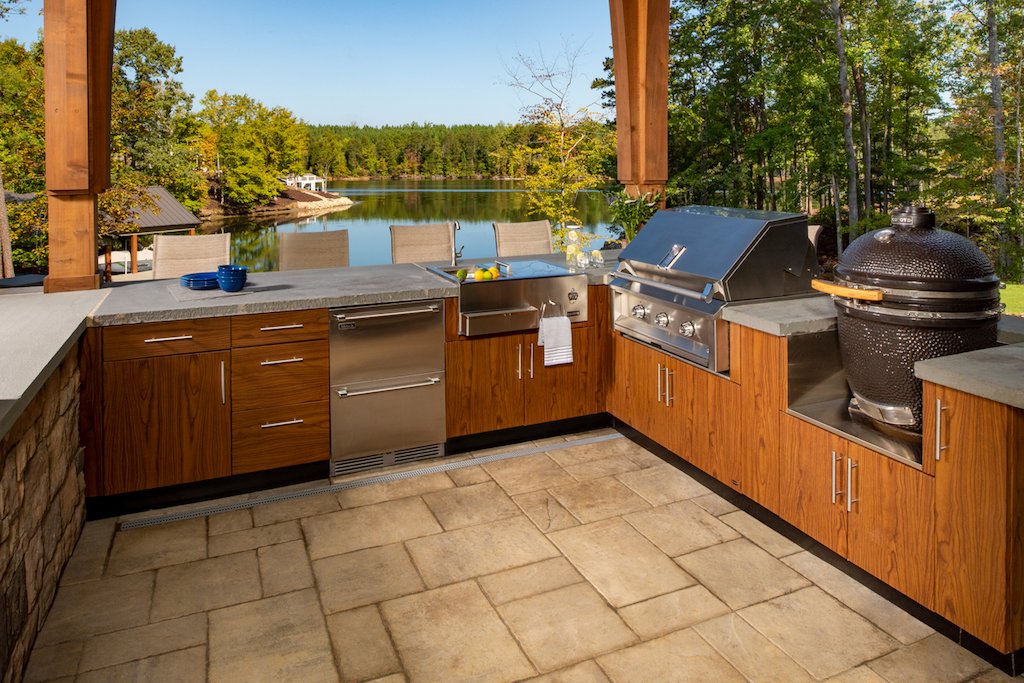
Outdoor Kitchen Design
Outdoor kitchen design has evolved far beyond a simple grill on a patio. Today, an outdoor kitchen is a lifestyle feature—an extension of your home where cooking, entertaining, and relaxing come together naturally. Whether you’re hosting weekend barbecues, family dinners under the stars, or quiet morning coffees outdoors, a well-planned outdoor kitchen design can completely change how you use your space.
This guide breaks down everything you need to know about outdoor kitchen design, from layout planning and materials to appliances, lighting, comfort, and long-term durability. Each section goes deep, offering real-world insights and practical advice, so you can design an outdoor kitchen that looks great and works effortlessly.
Understanding the Purpose of Outdoor Kitchen Design
Before jumping into layouts and materials, it’s important to understand why outdoor kitchen design matters. An outdoor kitchen is not just about cooking outside—it’s about creating an experience. The design should support how you live, entertain, and relax.
A thoughtful outdoor kitchen design connects indoor comfort with outdoor freedom. It allows you to cook without being cut off from guests, enjoy fresh air while preparing meals, and make better use of your outdoor space throughout the year. When done right, it becomes one of the most used and loved areas of the home.
Another major purpose of outdoor kitchen design is flow. A poorly planned setup can feel cramped or inconvenient, while a well-designed space feels intuitive. You should be able to move from prep to cooking to serving without unnecessary steps. This is where expert planning makes a real difference.
Finally, outdoor kitchen design plays a big role in property value. Homes with professionally designed outdoor kitchens often attract buyers and stand out in the market. Even if you’re not planning to sell, the long-term value—both financial and lifestyle-based—is significant.
Choosing the Right Location for Your Outdoor Kitchen
Location is one of the most critical decisions in outdoor kitchen design. The best outdoor kitchens feel naturally placed, not awkwardly added. Where you build will influence convenience, comfort, and cost.
Most homeowners prefer an outdoor kitchen that sits close to the main house. This makes it easier to carry food, access utilities, and stay connected to indoor activities. A location near the back door or adjacent to a dining area often works best for everyday use.
Weather exposure also plays a huge role in outdoor kitchen design. You’ll want to consider sun direction, wind patterns, and rain protection. A space that gets harsh afternoon sun might need a pergola or roof, while windy areas benefit from partial walls or strategic landscaping.
Privacy is another factor many people overlook. An outdoor kitchen should feel relaxed and personal. If your yard faces neighbors or a busy street, thoughtful placement combined with screens, plants, or fencing can make the space feel more secluded without closing it off completely.
Outdoor Kitchen Layout Planning and Space Optimization
Layout is the backbone of successful outdoor kitchen design. Even the most expensive materials won’t save a kitchen that’s awkward to use. A good layout balances movement, safety, and social interaction.
The most common layouts include straight-line kitchens, L-shaped designs, U-shaped kitchens, and island-based setups. Straight-line designs work well for smaller spaces, while L-shaped and U-shaped layouts offer more prep space and better workflow for larger areas.
One key principle borrowed from indoor kitchens is the work triangle—placing the grill, sink, and refrigerator within easy reach. While outdoor kitchens don’t always follow this rule strictly, the concept still helps reduce unnecessary movement and keeps cooking enjoyable rather than tiring.
Selecting Materials That Withstand Outdoor Conditions
Material selection can make or break an outdoor kitchen design. Unlike indoor kitchens, outdoor spaces face sun, rain, heat, and temperature changes, so durability is essential.
For countertops, stone materials like granite, concrete, and sealed natural stone are popular choices. These surfaces handle heat well and resist weather damage when properly maintained. Avoid materials that absorb water easily unless they are specifically treated for outdoor use.
Cabinetry should be designed for exterior conditions. Stainless steel, marine-grade polymer, and masonry bases with sealed doors are far more reliable than standard wood cabinets. Outdoor kitchen design experts often recommend materials that won’t warp, rust, or fade quickly.
Flooring is another area where smart choices matter. Porcelain pavers, natural stone, and textured concrete provide durability and slip resistance. The right flooring not only enhances safety but also visually ties the outdoor kitchen to the surrounding landscape.
Appliances That Define a High-Quality Outdoor Kitchen Design
Appliances are the heart of outdoor kitchen design. They determine what you can cook, how efficiently you can work, and how enjoyable the space feels during gatherings.
The grill is usually the centerpiece. Built-in gas grills are popular for their convenience, while charcoal grills appeal to those who enjoy traditional flavors. Some outdoor kitchen designs include both, giving users flexibility depending on the occasion.
Beyond the grill, many outdoor kitchens include side burners, pizza ovens, smokers, and warming drawers. These additions expand your cooking options and reduce the need to run back indoors during meals.
Refrigeration is often underestimated but incredibly important. Outdoor-rated refrigerators keep drinks cold, store ingredients safely, and reduce foot traffic inside the house. A good outdoor kitchen design anticipates these small conveniences that make a big difference.
Storage Solutions in Outdoor Kitchen Design
Storage might not sound exciting, but it’s a game-changer in outdoor kitchen design. Without proper storage, outdoor kitchens quickly become cluttered and frustrating to use.
Built-in cabinets provide space for utensils, cookware, and serving items. Weather-resistant drawers with proper sealing keep contents dry and protected from insects. This allows you to keep essentials outdoors instead of carrying them back and forth.
Open shelving can also work well when used carefully. Shelves made from stone, concrete, or stainless steel offer easy access and a modern look. However, they’re best for items that can handle exposure or are used frequently.
A smart outdoor kitchen design includes designated zones for trash, recycling, and cleaning supplies. These practical details keep the space tidy and help it function like a true kitchen rather than just a cooking station.
Lighting Strategies for Outdoor Kitchen Design
Lighting transforms how an outdoor kitchen feels, especially after sunset. Without proper lighting, even the best design loses functionality and atmosphere.
Task lighting is essential around grills, prep areas, and sinks. LED strip lights under counters or focused fixtures above work surfaces improve visibility and safety. Good task lighting ensures you can cook comfortably at any time of day.
Ambient lighting creates mood. Soft overhead lights, lanterns, or string lights make the space feel welcoming and relaxed. This layer of lighting is what turns an outdoor kitchen into an evening gathering spot rather than just a daytime feature.
Accent lighting highlights design elements like stone walls, countertops, or landscaping. When combined thoughtfully, these layers create a balanced and visually appealing outdoor kitchen design that feels intentional and refined.
Seating and Dining Integration in Outdoor Kitchens
Outdoor kitchen design isn’t complete without considering where people will sit, eat, and socialize. Cooking outdoors is often a shared experience, and seating plays a big role in that.
Bar seating along a counter or island keeps guests close to the cook without getting in the way. It encourages conversation and creates a casual, interactive atmosphere. This setup works especially well for entertaining.
Dedicated dining areas add versatility. A table placed near the outdoor kitchen allows for comfortable meals without crowding the cooking zone. Whether it’s a rustic wooden table or a modern dining set, the key is accessibility and comfort.
Comfort should never be overlooked. Cushioned seating, shade options, and proper spacing all contribute to how long people want to stay in the space. A great outdoor kitchen design invites guests to linger, not rush back indoors.
Weather Protection and Climate Considerations
One of the biggest challenges in outdoor kitchen design is dealing with weather. A well-designed space accounts for climate from the very beginning.
Shade structures like pergolas, covered patios, or retractable awnings protect against sun and light rain. These features extend the usability of your outdoor kitchen and protect appliances and finishes from direct exposure.
In cooler climates, outdoor heaters or built-in fireplaces add warmth and comfort. In hot regions, ceiling fans, misting systems, and proper ventilation make cooking more enjoyable during summer months.
Designing for climate ensures your outdoor kitchen doesn’t become a seasonal novelty. The goal is year-round or near year-round use, depending on your location.
Plumbing and Utility Planning for Outdoor Kitchens
Utilities are the invisible foundation of outdoor kitchen design. Proper planning here prevents expensive changes later and ensures smooth daily use.
Water access is essential for sinks, cleaning, and food prep. Outdoor-rated plumbing and proper drainage prevent freezing and leaks. Planning utility lines early keeps the design clean and efficient.
Gas and electrical connections should always be handled by professionals. Outdoor kitchen design requires compliance with safety codes, especially when combining gas, water, and electricity in one space.
Thoughtful utility planning also allows for future upgrades. Even if you don’t install every appliance at once, planning for them now saves time and money later.
Sustainability and Eco-Friendly Outdoor Kitchen Design
Modern outdoor kitchen design increasingly focuses on sustainability. Eco-friendly choices not only help the environment but often reduce long-term costs.
Energy-efficient appliances use less power while delivering strong performance. LED lighting consumes minimal electricity and lasts longer than traditional bulbs, making it a smart choice outdoors.
Sustainable materials like recycled stone, reclaimed wood, and locally sourced products reduce environmental impact. These materials also add character and authenticity to the design.
Water-saving fixtures and smart irrigation around the kitchen area further enhance sustainability. An eco-conscious outdoor kitchen design proves that luxury and responsibility can coexist.
Maintenance and Longevity of Outdoor Kitchen Design
A truly successful outdoor kitchen design considers maintenance from day one. The easier it is to care for, the more you’ll enjoy using it.
Choosing low-maintenance materials reduces cleaning time and repair costs. Sealed stone, stainless steel, and weather-resistant finishes age gracefully with minimal effort.
Regular upkeep, such as cleaning appliances, checking seals, and covering equipment when not in use, extends the life of your outdoor kitchen. These small habits protect your investment.
Longevity also comes from smart design choices. Timeless layouts, neutral color palettes, and durable construction ensure your outdoor kitchen remains attractive and functional for years to come.
Conclusion
Outdoor kitchen design is about more than adding appliances outside—it’s about creating a space that enhances how you live, cook, and connect with others. When planned carefully, an outdoor kitchen becomes a natural extension of your home, blending comfort, style, and functionality.
By focusing on layout, materials, appliances, lighting, and climate considerations, you can design an outdoor kitchen that feels effortless to use and beautiful to experience. The best designs don’t chase trends—they prioritize practicality, durability, and enjoyment.
If you approach outdoor kitchen design with intention and expert insight, the result is a space that brings people together, adds long-term value, and transforms everyday moments into memorable ones.
YOU MAY ALSO READ
About the Author