Baseball Bracketology
Baseball bracketology is one of those topics that seems simple on the surface but becomes increasingly fascinating the deeper you go. At its core, it’s about predicting playoff matchups, evaluating team performance, and forecasting who has the best chance to survive the postseason gauntlet. But in reality, bracketology is a blend of analytics, instinct, historical awareness, and strategic interpretation.
Whether you’re a casual fan trying to anticipate October drama or a serious analyst diving into advanced metrics, understanding bracketology can transform how you watch baseball. Instead of simply reacting to results, you begin to see patterns, probabilities, and pathways unfold in real time.
This guide will walk you through everything—from the foundations of bracket prediction to advanced strategies professionals use. By the end, you’ll not only understand baseball bracketology but also know how to apply it like an expert.
What Is Baseball Bracketology?
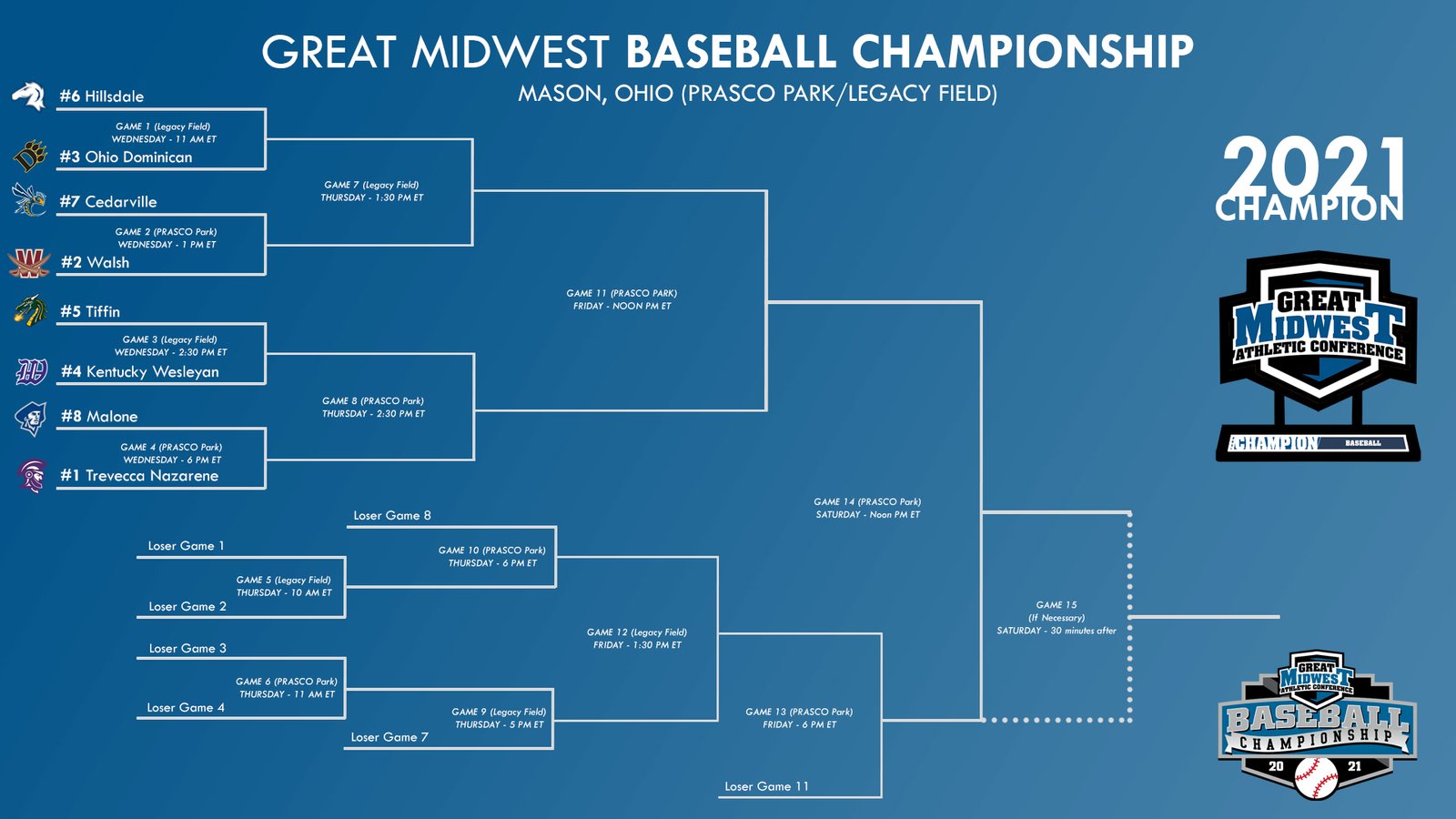
Baseball bracketology refers to the systematic process of predicting playoff structures, seedings, and matchups based on team performance throughout the season. The term borrows heavily from college basketball culture, where bracket predictions are practically a national pastime. In baseball, however, the process is more statistical and less chaotic—but no less exciting.
At its most basic level, bracketology involves studying standings, evaluating strength of schedule, analyzing run differentials, and projecting how teams will perform in the remaining games. Analysts then assemble a hypothetical playoff bracket showing which teams would face off if the season ended today. But experts don’t stop there—they simulate outcomes, weigh pitching rotations, and consider travel schedules.
What makes baseball bracketology particularly compelling is the length of the season. With 162 games, teams reveal their true identities over time. Slumps and hot streaks even out, allowing predictions to rely on larger data samples. This creates a more stable forecasting environment compared to sports with shorter seasons.
Another key component is understanding the playoff format itself. Wild card races, divisional battles, and tie-break scenarios all influence bracket construction. A single extra-inning win in August might ultimately decide who hosts a playoff series in October.
Ultimately, bracketology isn’t about guessing—it’s about building educated projections grounded in measurable performance.
Why Baseball Bracketology Matters
For fans, bracketology adds an entirely new dimension to following the season. Instead of watching isolated games, you begin tracking the ripple effects across the league. A loss by one contender suddenly boosts another team’s postseason odds. Every scoreboard matters.
From a strategic standpoint, teams themselves engage in a form of bracketology. Front offices constantly evaluate their position in the standings to decide whether to buy, sell, or stand pat at the trade deadline. If a team projects into a favorable bracket path, management may invest heavily in roster upgrades.
Media coverage also thrives on bracket projections. Analysts debate which teams are built for postseason success, creating narratives that fuel fan engagement. These conversations extend beyond statistics—they explore clubhouse chemistry, managerial tendencies, and playoff experience.
Bracketology also influences ticket sales, television ratings, and even player morale. When a team sees its playoff probability climb, confidence tends to follow. Conversely, dropping out of the projected bracket can create urgency—or panic.
Most importantly, bracketology sharpens your baseball intelligence. You stop viewing standings as static and start interpreting them as dynamic probabilities.
Understanding the Structure of Baseball Playoffs
Before diving deeper into projections, it’s essential to understand how the postseason framework operates. Without that knowledge, building a bracket is like solving a puzzle without knowing the picture on the box.
Modern playoff formats reward division winners while keeping wild card races highly competitive. Higher seeds typically gain home-field advantage, which historically provides a meaningful edge. Ballparks influence gameplay, travel affects player fatigue, and familiar environments often boost performance.
Seeding is not just ceremonial—it determines the path a team must navigate. Facing a dominant pitching staff early can derail even the most talented lineup. Conversely, a favorable matchup might allow a team to build momentum.
Another critical factor is rest versus rhythm. Teams that secure early playoff spots sometimes struggle after long layoffs, while wild card teams can ride emotional waves into deeper rounds. Bracketologists must weigh these psychological variables alongside raw data.
Tie-breaking procedures also play a role. Head-to-head records, divisional performance, and run differential can separate teams with identical records. Experts constantly monitor these details because they quietly shape the bracket long before the season ends.
Understanding structure allows predictions to move beyond guesswork into calculated foresight.
The Core Metrics Behind Accurate Bracket Predictions
If bracketology had a backbone, it would be analytics. Numbers don’t eliminate uncertainty, but they dramatically improve forecasting accuracy.
One of the most trusted indicators is run differential—the difference between runs scored and runs allowed. Teams with strong differentials tend to sustain success because they aren’t merely winning close games; they’re controlling them. Over time, this stability matters.
Advanced metrics deepen the analysis. Expected win-loss records help identify teams that may be overperforming due to luck. When projections normalize, those teams often regress toward statistical expectations.
Pitching metrics are especially predictive in postseason contexts. Strikeout rates, walk percentages, and bullpen efficiency can reveal whether a team is built for high-pressure games where every run counts.
Offensive consistency also matters more than raw scoring totals. A lineup capable of producing against elite pitching is far more dangerous than one reliant on occasional blowouts.
Strength of schedule adds yet another layer. Teams dominating weaker opponents may look impressive but face challenges against playoff-caliber competition. Experts adjust projections accordingly.
The best bracketologists never rely on a single statistic—they synthesize multiple indicators into a comprehensive outlook.
Timing Matters: When Bracketology Becomes Reliable
Early-season bracket predictions are entertaining, but they’re rarely dependable. Small sample sizes distort reality. A team that starts 15–5 might simply be riding a favorable schedule, while another hovering near .500 could be stronger than its record suggests.
By midseason, patterns begin to stabilize. Player performance normalizes, injuries reveal roster depth, and contenders separate from pretenders. This is when bracketology transitions from speculative to strategic.
Late-season projections, however, bring their own complexity. Teams adjust rotations, rest star players, and experiment with lineups in preparation for October. These decisions can temporarily skew performance metrics.
Momentum becomes particularly influential during the final weeks. Clubs fighting for wild card spots often display playoff-level intensity, which can foreshadow postseason resilience.
Still, experts avoid overreacting to short-term streaks. True bracketology balances recent performance with season-long data.
Patience, in this discipline, is a competitive advantage.
The Trade Deadline Effect
Few moments reshape the playoff landscape like the trade deadline. One blockbuster acquisition can transform a fringe contender into a legitimate threat.
When evaluating deadline moves, bracketologists look beyond star power. Fit matters. Does the new pitcher complement the rotation? Does the added hitter address a specific weakness? Chemistry and clubhouse dynamics also influence outcomes.
Depth upgrades often prove more valuable than flashy headlines. A reliable middle reliever or versatile bench player can swing tight postseason games.
There’s also a psychological component. Aggressive trades signal belief, energizing both players and fans. Conversely, a quiet deadline may suggest organizational caution.
Experts quickly recalculate projections after major deals, recognizing that roster construction directly affects bracket trajectories.
In many seasons, the eventual champion can trace its success back to a midyear acquisition.
The Role of Pitching in Postseason Forecasting
If offense wins games, pitching wins playoff series. This longstanding baseball truth heavily influences bracketology.
Elite starting rotations shorten series by suppressing scoring opportunities. When teams can deploy multiple top-tier starters, opponents face relentless pressure.
Bullpens have grown equally critical. Modern postseason strategy often relies on high-leverage relievers earlier than traditional roles once dictated. A dominant bullpen can erase small deficits and protect narrow leads.
Bracketologists also analyze workload. Overused pitchers may fade late in the year, while carefully managed arms peak at the right time.
Matchup dynamics further complicate projections. Some pitchers excel against power-heavy lineups, while others neutralize contact hitters.
Ultimately, pitching depth provides margin for error—a priceless commodity in October.
Hidden Factors That Shape the Bracket
Statistics tell much of the story, but intangible elements often tip the balance.
Experience matters. Teams accustomed to postseason pressure tend to handle adversity more effectively. Younger squads may possess energy yet struggle with emotional swings.
Managerial strategy is another underappreciated variable. Tactical decisions—bullpen timing, defensive alignments, pinch-hitting choices—can define series outcomes.
Travel logistics also play subtle roles. Cross-country flights and time-zone changes affect recovery, particularly in tightly scheduled series.
Even weather can influence projections. Cold temperatures suppress offense, favoring pitching-heavy teams.
Great bracketologists remain aware that baseball is played by humans, not spreadsheets.
Common Mistakes in Baseball Bracketology
Even seasoned analysts fall into predictable traps. Recognizing them helps refine your forecasting skills.
One major mistake is overvaluing star players. Baseball is inherently collective; depth frequently outweighs individual brilliance.
Another error is chasing narratives. A dramatic winning streak attracts attention, but regression often follows emotional peaks.
Ignoring defensive performance is equally risky. Preventing runs is just as important as scoring them, yet defense rarely dominates headlines.
Perhaps the biggest misstep is assuming regular-season dominance guarantees postseason success. Playoff baseball is matchup-driven and far less forgiving.
Experts stay disciplined, trusting balanced analysis over hype.
How Technology Is Transforming Bracket Predictions
The modern era has revolutionized bracketology. Machine learning models now simulate thousands of playoff scenarios within seconds.
Predictive algorithms evaluate player tendencies, environmental conditions, and historical comparisons. These tools don’t eliminate unpredictability—but they significantly narrow the probability range.
Data visualization platforms also help analysts communicate projections more clearly. Interactive brackets allow fans to explore alternate paths and outcomes.
Yet technology is most powerful when paired with human interpretation. Numbers provide structure; experience provides context.
The future of bracketology lies in this partnership between analytics and insight.
Building Your Own Baseball Bracket Like an Expert
Creating a credible bracket requires discipline, curiosity, and consistency.
Start by tracking standings daily, but avoid emotional reactions to single games. Focus on trends instead.
Next, evaluate team balance. Clubs that pitch well, defend reliably, and produce timely offense typically advance deeper.
Monitor injuries closely. Losing a key starter weeks before the playoffs can dramatically shift projections.
Compare head-to-head results among contenders—they often preview postseason matchups.
Finally, revisit your bracket regularly. Predictions should evolve as new data emerges.
Bracketology isn’t a one-time exercise; it’s an ongoing process.
The Psychology of Predicting the Postseason
There’s an undeniable thrill in forecasting outcomes. Humans naturally seek patterns, and sports provide a perfect arena for that instinct.
Bracketology satisfies both analytical and emotional impulses. It invites debate, encourages research, and rewards foresight.
At the same time, humility is essential. Baseball’s unpredictability ensures that even flawless analysis sometimes fails.
Rather than chasing perfection, experts aim for probability-based reasoning.
When your projection proves correct, it’s satisfying. When it doesn’t, it’s a learning opportunity.
That mindset separates casual predictors from true bracketologists.
The Future of Baseball Bracketology
As analytics grow more sophisticated, bracketology will only become more precise. Wearable technology may soon provide real-time fatigue metrics, influencing projections instantly.
Artificial intelligence could model psychological resilience, incorporating factors once considered immeasurable.
Expanded playoffs, if adopted further, would introduce new strategic layers—making prediction both harder and more exciting.
Fan participation will likely increase as interactive tools become mainstream. Bracket challenges could mirror the popularity seen in other sports.
Despite all these advances, one truth will remain: uncertainty is part of baseball’s charm.
No algorithm can fully predict the magic of October.
Final Thoughts: Why Bracketology Deepens the Baseball Experience
Baseball bracketology isn’t just about guessing who wins—it’s about understanding why teams succeed or fail under pressure. It transforms passive viewing into active engagement.
When you grasp the mechanics behind projections, every late-season game carries heightened significance. A seemingly routine matchup might alter the entire postseason landscape.
More importantly, bracketology encourages appreciation for the sport’s complexity. From roster construction to tactical nuance, baseball rewards those willing to look deeper.
So the next time you glance at the standings, don’t just see numbers. See possibilities, pathways, and potential clashes waiting to unfold.
Because in baseball, the road to the championship isn’t merely played—it’s predicted, debated, and imagined long before the first playoff pitch is thrown.
YOU MAY ALSO READ
About the Author